News
Feb 6, 2026
National coastal erosion specialist sets new sustainability standard for shoreline protection
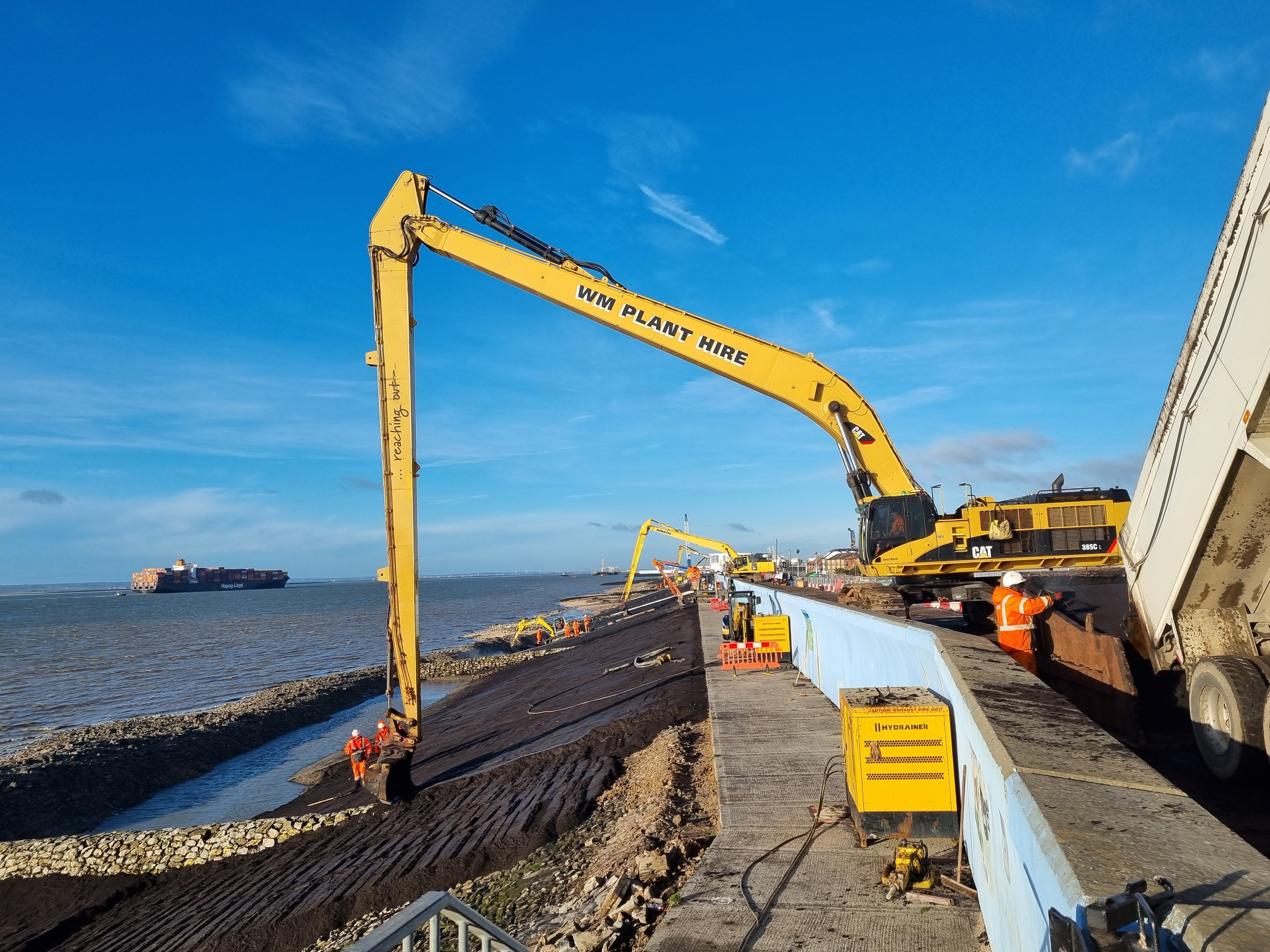
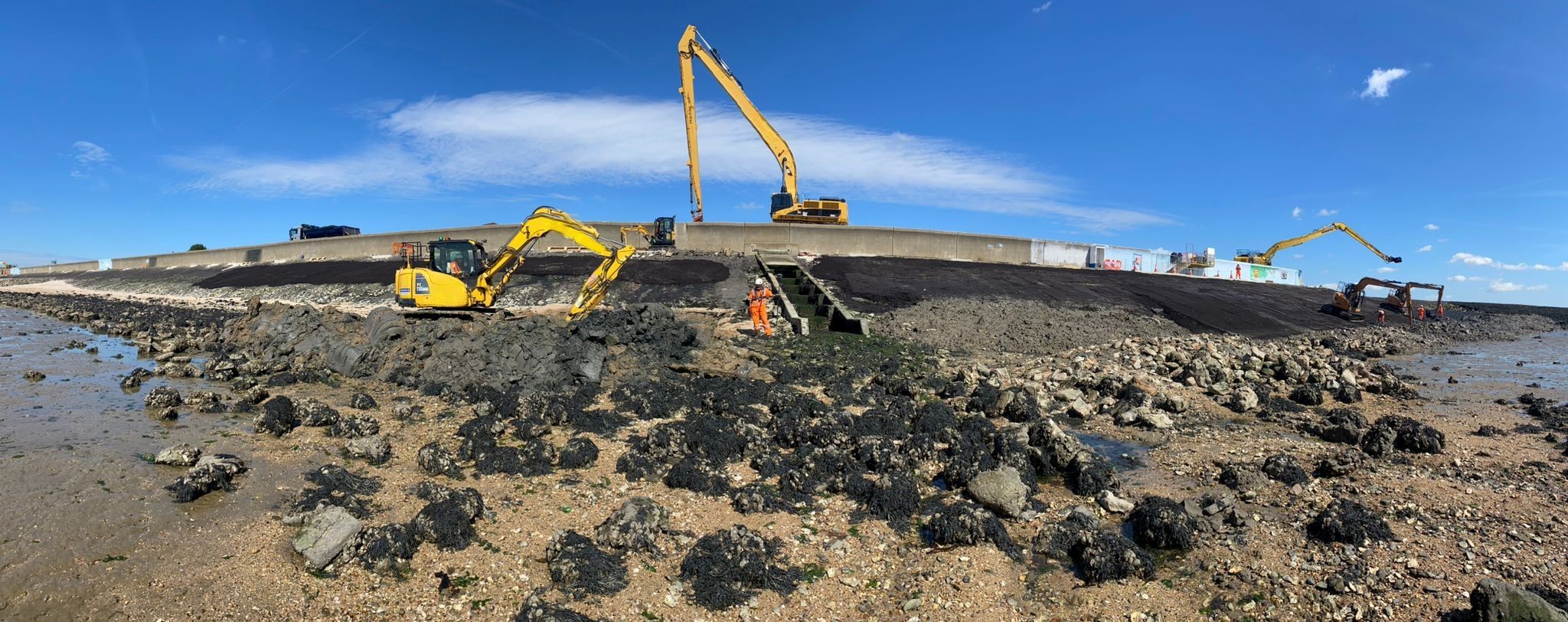
Hesselberg Erosion Protection (HEP), the UK’s leading provider of asphalt and grouted rock solutions for flood protection and coastal defence, has secured carbon neutral status under scope 1 and 2 of a framework devised and overseen by the Greenhouse Gas (GHG) Protocol.
The achievement aligns with carbon reduction ambitions being set across the flood and coastal defence sector, including those of organisations such as the Environment Agency, which HEP supports through Tier 1 delivery partners including Balfour Beatty and BAM Nuttall.
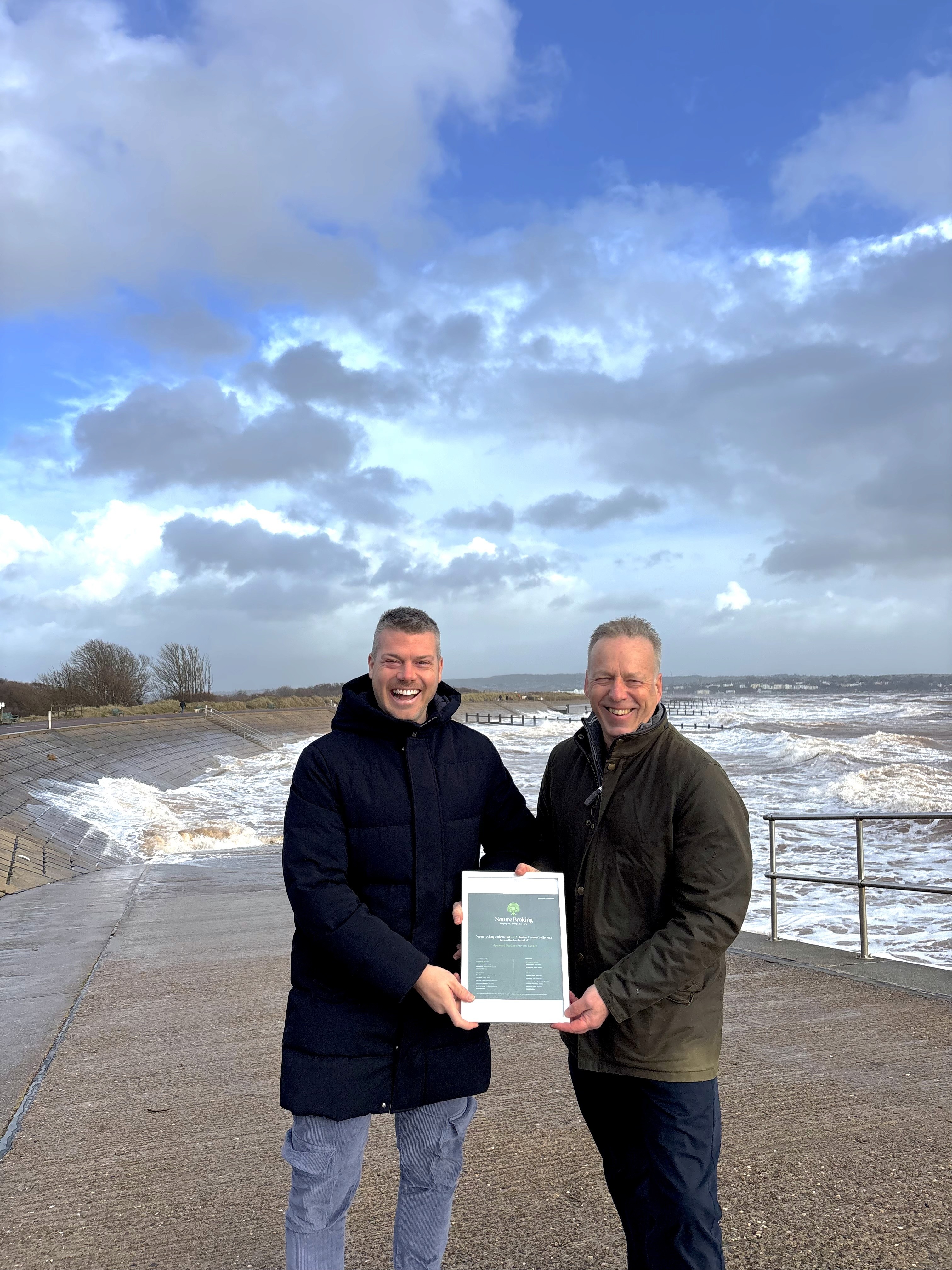

By achieving carbon neutral status for its direct operations and energy use, HEP is supporting the wider move towards lower-carbon delivery across the national marine and civil engineering sectors.
With £5.2bn committed by Government to flood and coastal resilience between 2021 and 2027, infrastructure providers are under increasing pressure to deliver solutions that are effective, affordable and environmentally responsible. HEP’s carbon neutral status reflects its focus on supporting long-term shoreline protection while reducing the carbon footprint of its own operations.
To achieve carbon neutral status (scope 1 and 2), an organisation must have measured and offset all direct and indirect greenhouse emissions from its own operations and energy use.
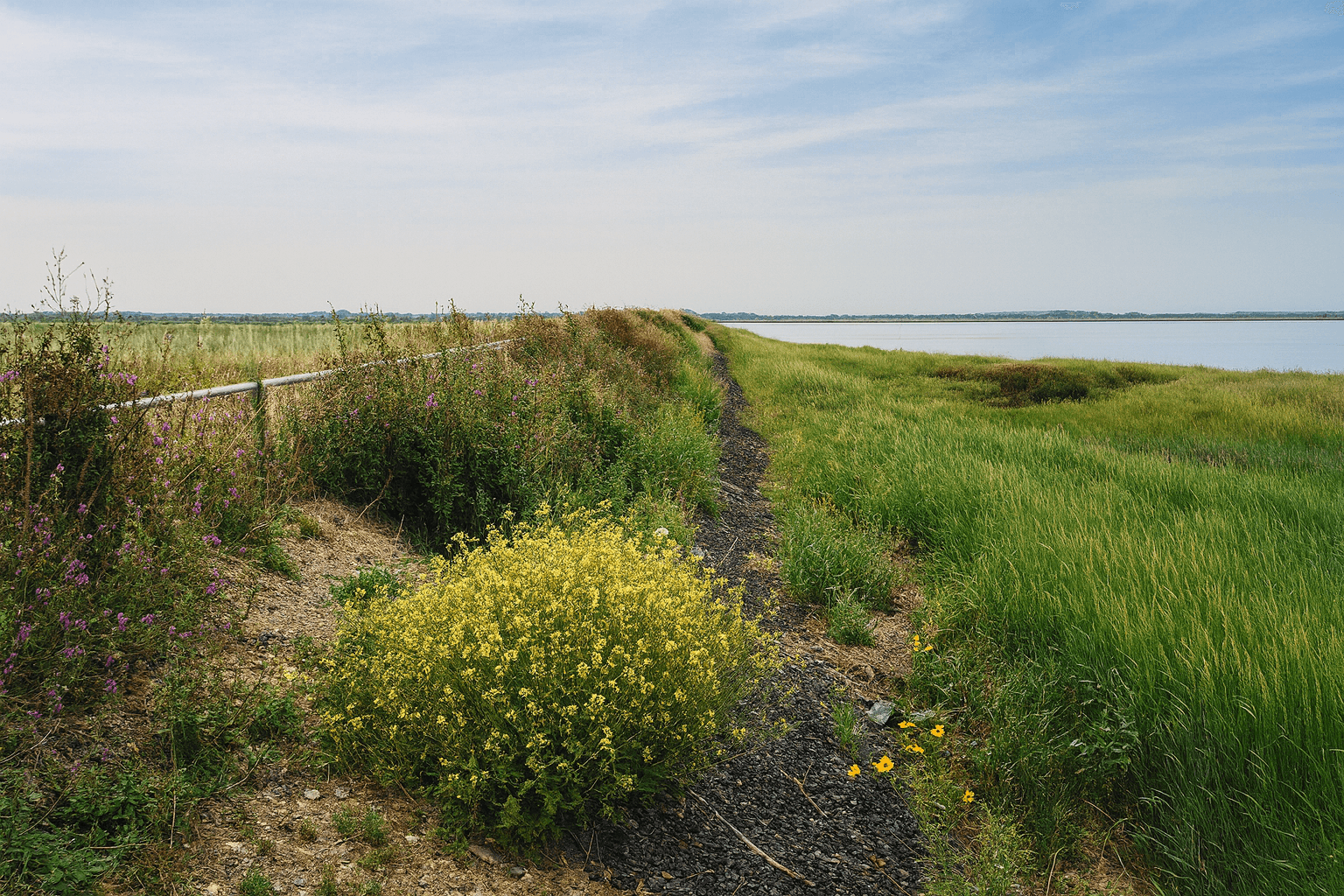
HEP achieved this through offsetting a total of 190 tonnes of carbon dioxide equivalent (tCO2e) by voluntarily investing in credits that support the Bank Farm Regenerative Project – an initiative launched to showcase the opportunities for carbon sequestration through regenerative agriculture.
In addition to reducing emissions from its own operations, HEP’s carbon neutral status is supported by the inherently lower-carbon nature of its core construction techniques. By using asphaltic solutions for erosion protection and coastal defence, rather than traditional methods that typically rely on carbon-intensive materials and processes, HEP provides faster installation times, reduces material volumes and shortens the duration of construction programmes.
Roger Smith, Director at Hesselberg Erosion Protection, comments: “As a business that works in environments where the impact of climate change is clearly visible, we’re acutely aware of our carbon footprint and committed to minimise it wherever possible. Our approach to coastal erosion and flood defence not only delivers durable, long-term protection for critical infrastructure, but also supports clients in achieving their own carbon reduction objectives across flood and coastal defence projects. By securing carbon neutral status under scope 1 and 2, we’ve taken steps to do what we can to offset our own operational footprint and support our clients as they seek to reduce theirs.”
Ashley Webber, Director at Balanced Energy, the environmental consultancy that awarded carbon neutral status (scope 1 and 2), adds: "Every sector faces its own environmental challenges and meaningful progress comes from taking action where it can have the greatest impact. Hesselberg Erosion Protection has taken a clear, practical approach to reducing its carbon footprint by focusing on the areas it can directly influence. Through targeted investment in sustainability initiatives aligned with its operations, HEP has demonstrated strong leadership, a clear understanding of its environmental impact and a genuine commitment to action. In doing so, the company is helping to set a positive example for the wider sector and contributing to long-term, sustainable change."
HEP has been designing, installing, maintaining and monitoring asphaltic structures, erosion protection, underwater scour protection and waterproofing for almost four decades. Its flagship projects include the Abberton Reservoir enlargement scheme, the Leigh Flood Barrier storage area and a major seawall upgrade along the southern shoreline of Canvey Island.
For more information on HEP visit https://erosionprotection.co.uk. For more information on the GHG Protocol visit https://ghgprotocol.org/.