[
How it works
]
engineered for hydraulic performance.
Asphalt is a blend of bitumen and aggregate, adapted into specialist mixes for hydraulic conditions. Each system is designed for flexibility, permeability and strength, allowing it to perform where concrete and block protection fail.




[
Technical solutions
]
Proven Methods for Hydraulic Protection.
Erosion & Scour Protection
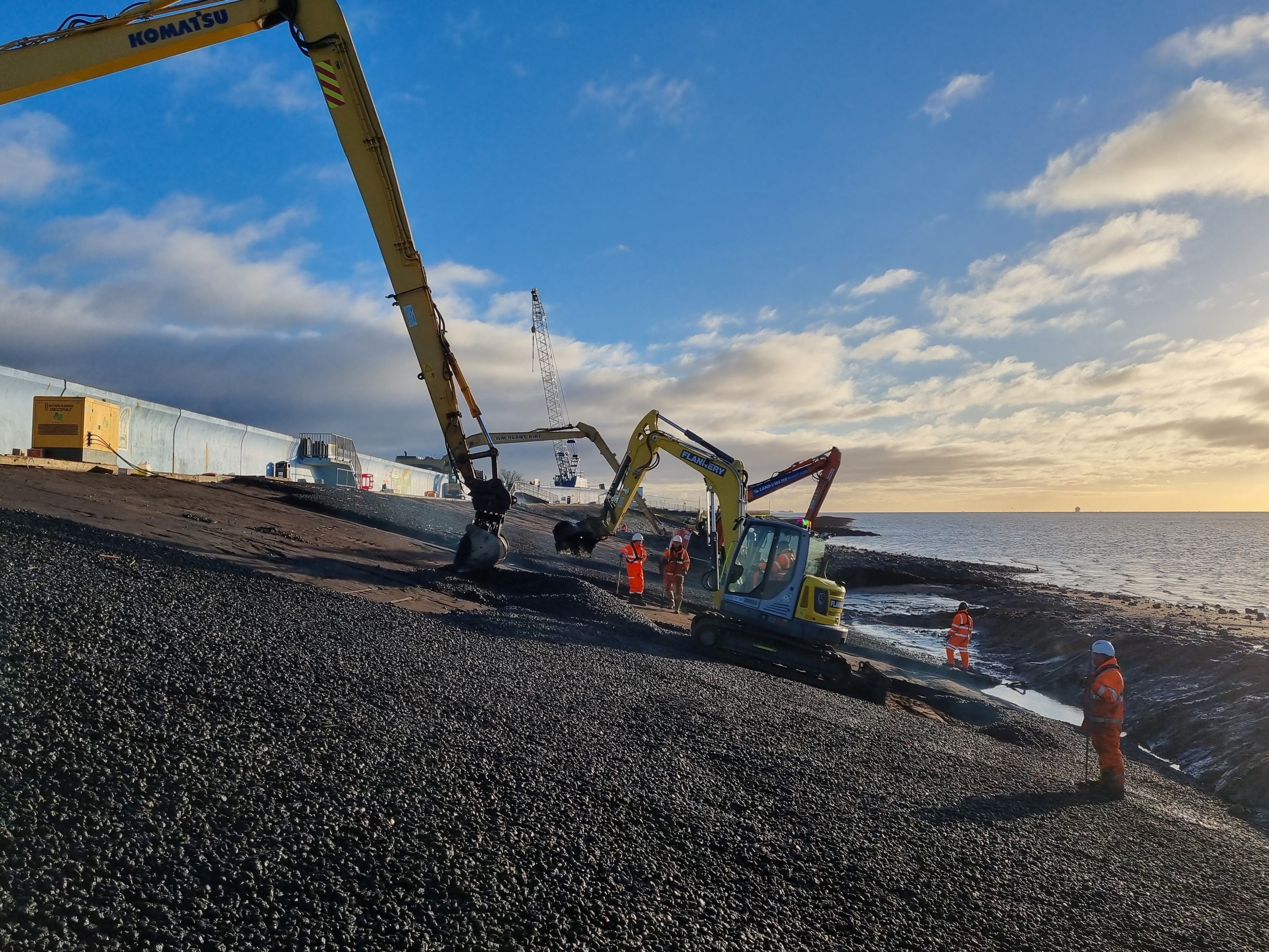
Asphalt systems that resist high flows, wave attack, and tidal scour around embankments, channels, and structures.
Open Stone Asphalt (OSA), Lean Sand Asphalt (LSA), and asphalt-filled geomats.
Proven to withstand velocities up to 8.5 m/s and waves of 6 m.
Applied to rivers, estuaries, spillways, and flood barriers where block units fail.
Asphalt Lining Inspections
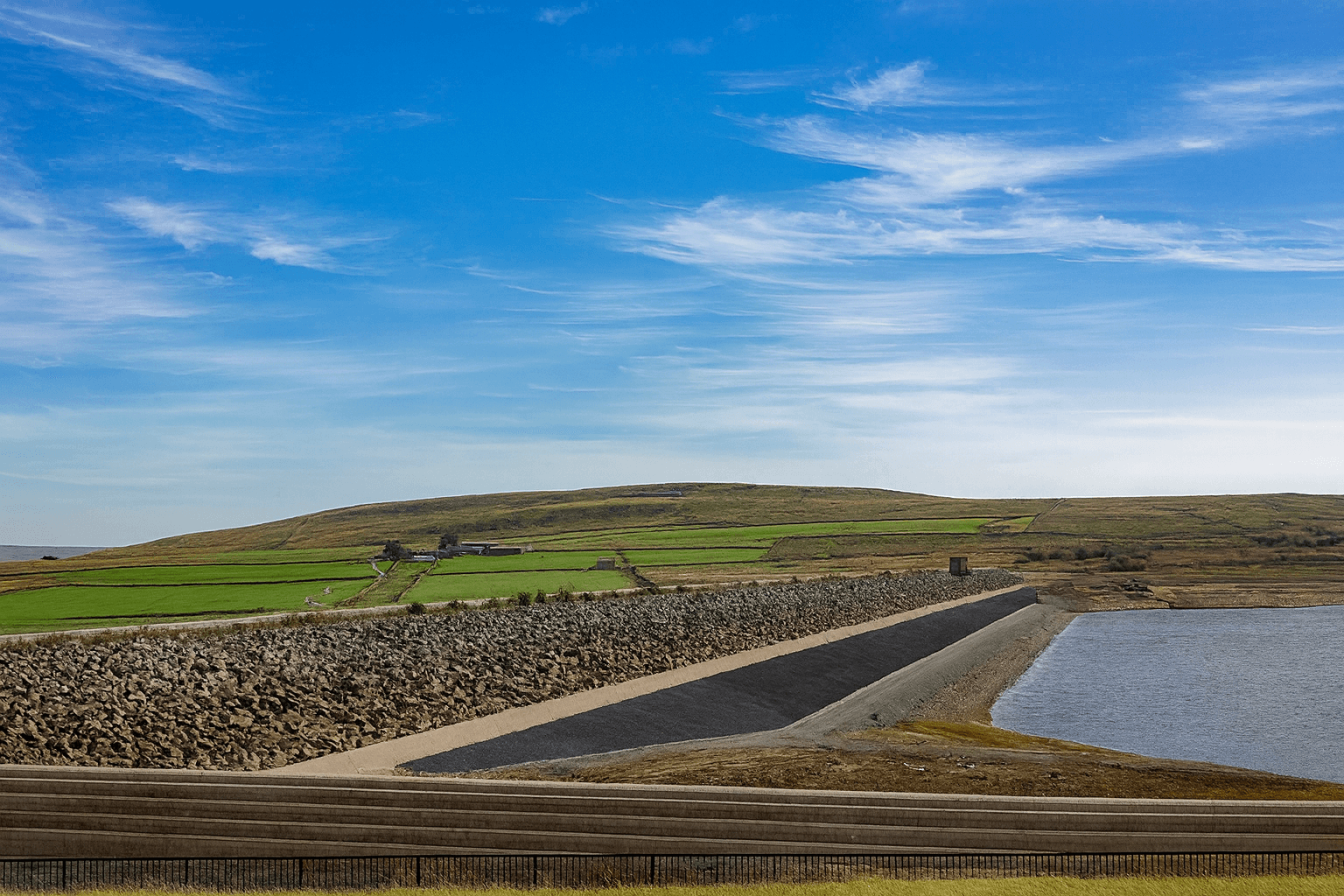
Inspection and maintenance of asphalt linings for dams, reservoirs, and spillways.
Condition surveys and integrity testing of asphalt linings.
Targeted repairs and surface reinstatement to prevent leakage.
Ongoing maintenance and monitoring to extend service life.
Strengthening Rock Structures
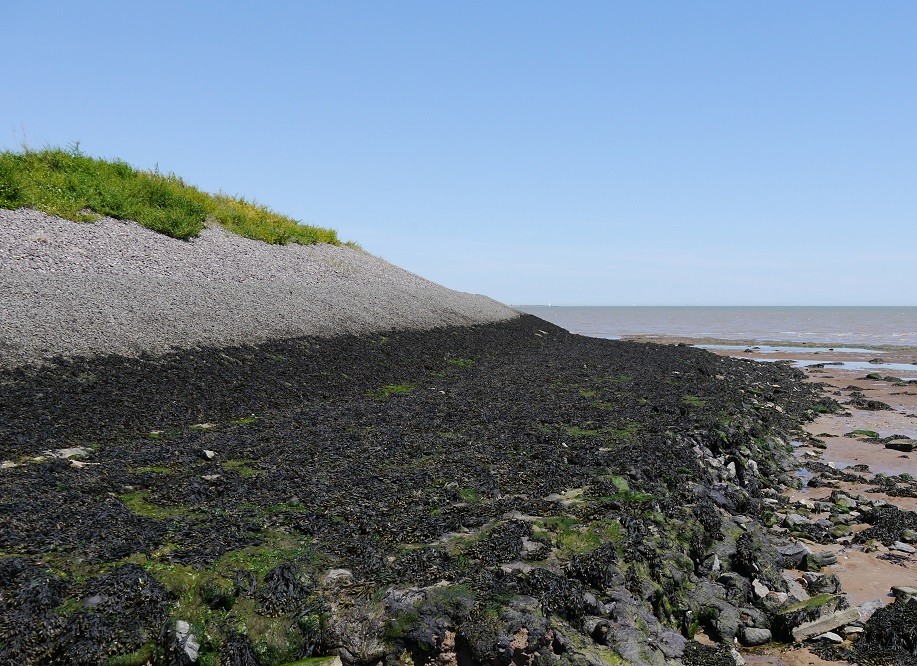
Grouted rock systems that stabilise and bond armour stone, reducing rock requirements and increasing resilience.
Locks stone into place under tidal and wave loading.
Cuts the need for oversized or high volumes of rock.
Used to upgrade and reinforce coastal, port and river structures.
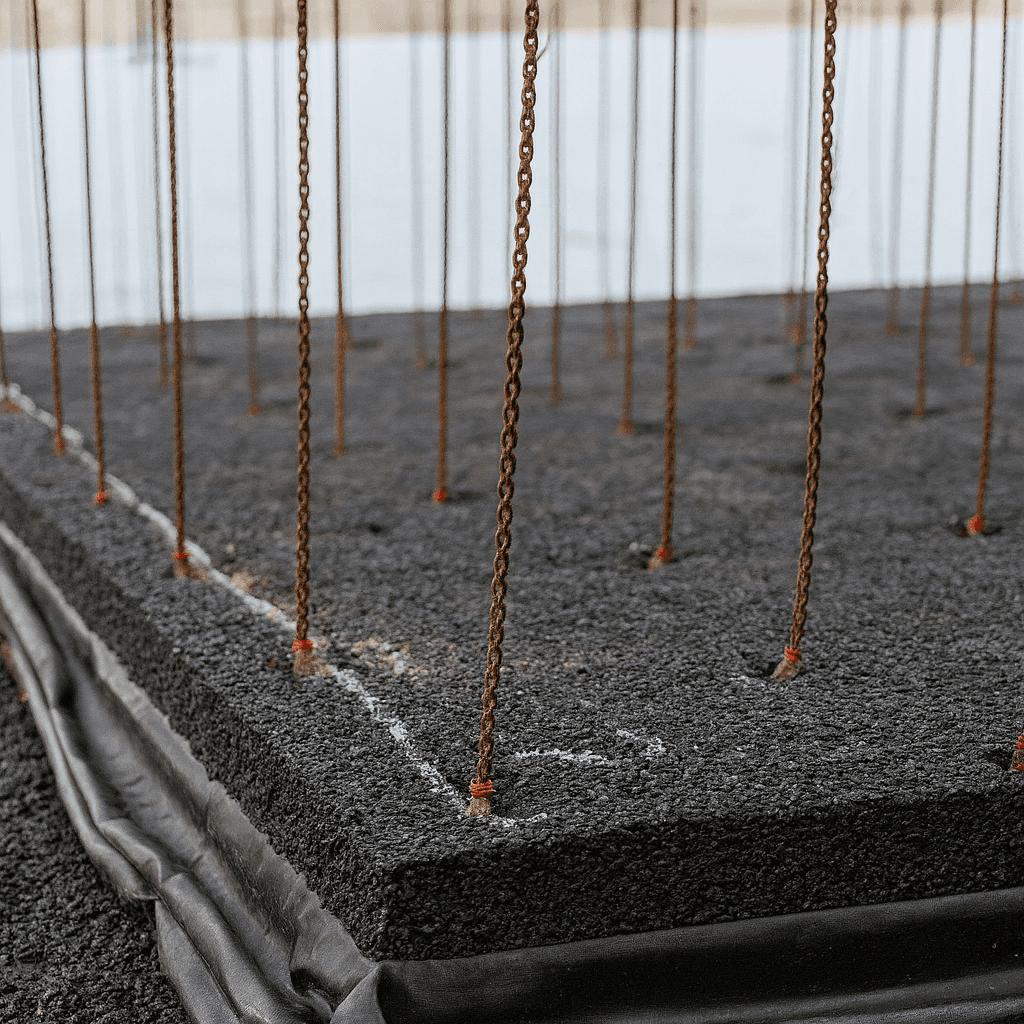
Underwater Impact Protection
Asphalt mattresses installed over subsea assets to shield pipelines and cables from anchors, crossings and rock dumping.
Grouted rock and asphalt mattresses.
Rapid installation with reduced diver time improves safety.
Widely specified for ports, harbours and offshore corridors.
"We are delighted to have finished the work on the revetment at Canvey Island. This project is essential to managing the risk of flooding for thousands of people, homes and businesses."
Operations Manager

[
FAQ
]
Common Questions About Asphalt Solutions.
From underwater placement to design life, here are the answers to the questions engineers and asset owners ask most often. If you don't find what you need, contact the team for a friendly discussion.
1. Can asphalt systems be installed underwater?
Yes. Mixes such as Lean Sand Asphalt (LSA) and Open Stone Asphalt (OSA) can be placed and compacted underwater, making them effective for scour protection, spillways, and subsea works.
2. How long do asphalt systems last in practice?
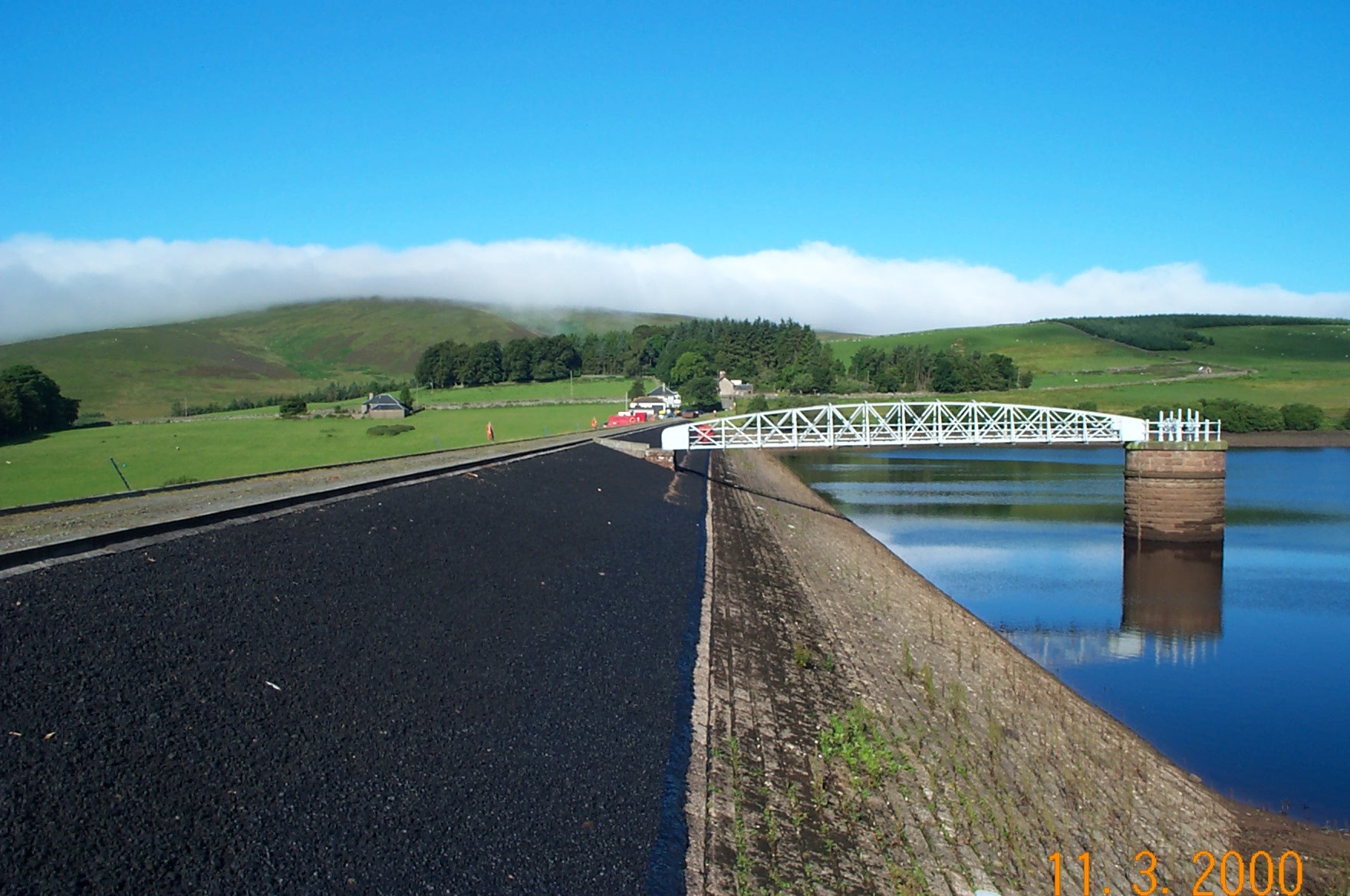
OSA has a recognised design life of 50 years with many projects in the UK being maintenance free for over 35 years to date. At Megget Dam in Scotland the grouted rock revetment has been maintenance free since its completion in 1998.
3. How does asphalt compare to concrete?
Asphalt systems are typically installed 2–3 times faster, adapt to settlement without cracking, and have up to 75% less embodied carbon. Concrete is rigid and brittle under hydraulic movement; asphalt is porous, flexible and robust
4. What flow and wave conditions can asphalt withstand?
Tested systems have resisted flows up to 8.5 m/s and wave heights up to 6 m, making them suitable for extreme flood events and exposed coastal conditions.
5. What maintenance is required?
Minimal. Asphalt systems are largely maintenance-free, with periodic inspections recommended. If required, localised repairs can be carried out quickly without removing large areas.
[
DOWNLOAD MATERIAL DATASHEETS
]